



COURSE OVERVIEW
It is a branch of paramedical science. Medical lab technology deals with biochemical, pathological, and microscopic examination of cells, tissues, and fluids of the body. Today 70% of medical diagnosis is carried out in the laboratories by the MLT course qualified technologists/technicians.
Candidates who aspire to be a part of the healthcare industry can take up a lab technician course. A certified technologist has the skills to perform a large number of clinical tests and operate with highly technology based modern equipment.
2 Years
WBSU
300 Only
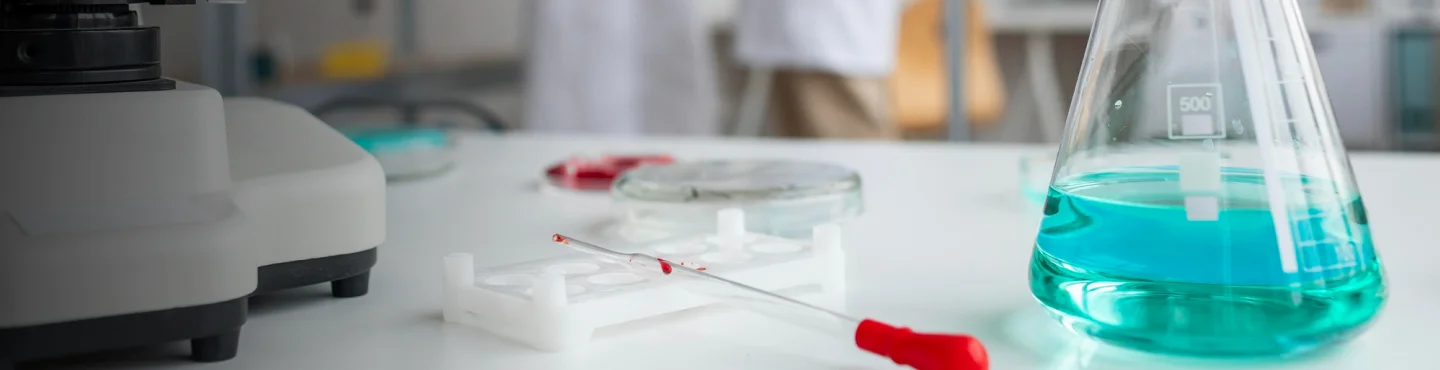
A diploma in medical lab technology offers a variety of career opportunities across different sectors of healthcare. Here are some potential paths:
Graduates with a Diploma in Medical Lab Technology can pursue positions in hospital laboratories, where they conduct various diagnostic tests under the supervision of medical professionals.
They may work in diagnostic centers, assisting in the analysis of samples such as blood, urine, and tissues to aid in disease diagnosis and monitoring.
Opportunities exist in research laboratories, where graduates can contribute to scientific research by performing experiments, analyzing data, and maintaining lab equipment.
Some graduates may find employment in pharmaceutical companies, where they conduct quality control tests on drugs and pharmaceutical products.
Graduates can also work in biotechnology firms, assisting in research and development activities related to medical diagnostics and therapeutic treatments.
Careers in public health laboratories involve conducting tests to monitor and control the spread of infectious diseases, ensuring the health and safety of the community.
Those interested in forensic science can pursue opportunities in forensic laboratories, where they analyze evidence to assist law enforcement agencies in criminal investigations.
Employment opportunities exist in blood banks and transfusion centers, where graduates can perform tests to ensure the safety and compatibility of donated blood for transfusion.
Graduates with a Diploma in Medical Lab Technology can also work in veterinary laboratories, where they assist in the diagnosis and treatment of diseases in animals.
Some graduates may choose to pursue careers in education, teaching medical lab technology courses at vocational schools or training programs for laboratory technicians.
Graduates have the option to set up their own diagnostic laboratories, providing testing services to healthcare facilities, clinics, and individuals in their community.
Alternatively, graduates can become self-employed phlebotomists, offering blood collection services to healthcare facilities, home care patients, and blood donation centers.
These diverse career paths offer opportunities for graduates to apply their skills in various settings within the healthcare industry, research institutions, and entrepreneurial ventures.